
Moving to Dallas TX? 7 Things I'd Avoid When Buying a Home in DFW
I've lived in Dallas my entire life, and after years of helping buyers navigate this market, I've learned that the house itself is only part of the story. The power lines behind the fence line, the road that's getting widened in two years, the school boundary that might shift before your kids graduate, these are the things that don't show up in listing photos but absolutely affect how you'll live here and what your home will be worth when you sell.
People moving to Dallas from out of state often focus on the floor plan and the price. That makes sense. But in a market this big, sprawling across multiple counties with different tax structures and development timelines, you need to know what's around the property and what's coming. I'm not trying to scare anyone off. I love this area. I just want you to go in with your eyes open, because some of these issues are easier to spot than others, and a few of them are nearly impossible to fix once you own the home.
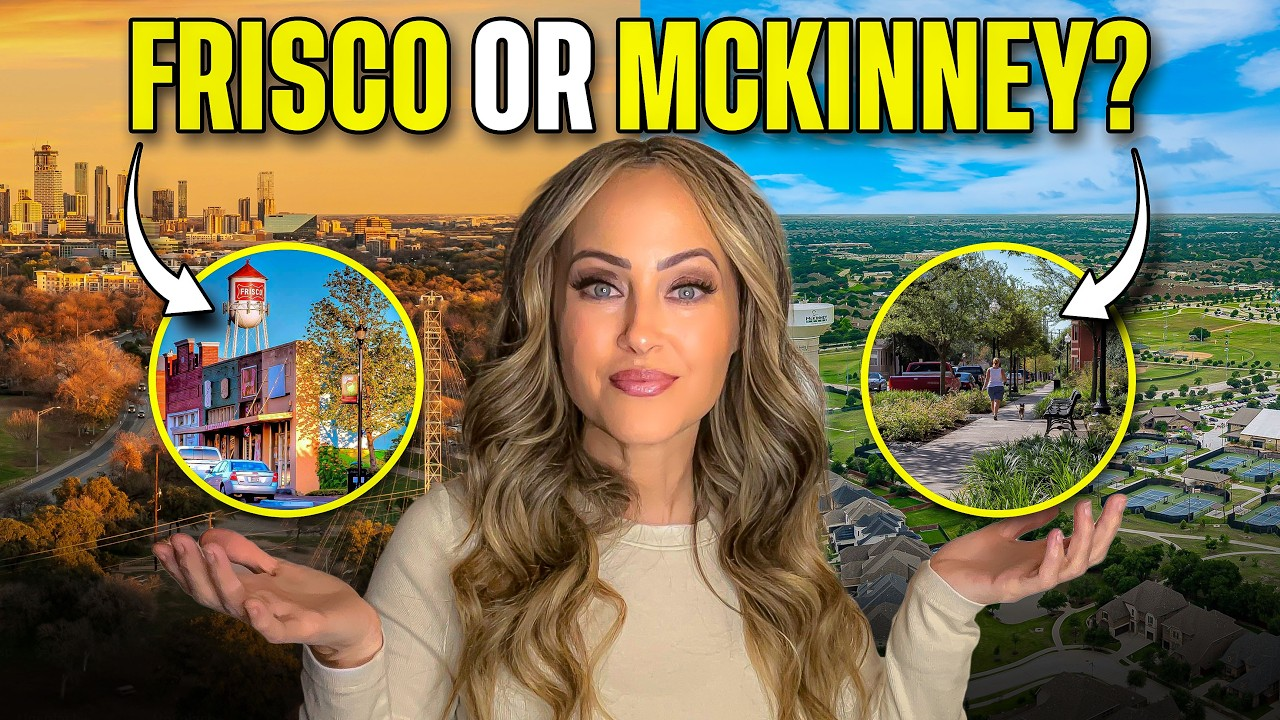
This isn't about telling you which neighborhoods to avoid by name. It's about the situations, the physical and financial realities, that can make an otherwise great home a harder sell or a daily frustration. Whether you're looking in Frisco, Prosper, McKinney, Celina, or anywhere in the North Dallas suburbs, these are the seven things I watch for when I'm walking properties with buyers.
Table of Contents
Homes Near Power Lines
Power lines are one of those things buyers either don't notice during a showing or they convince themselves it won't matter. I get it. The backyard is beautiful, the house checks every other box, and those towers are just... there. But here's the thing: power lines affect resale in a way that's hard to recover from, and they limit how you can use your outdoor space.
High-voltage transmission lines, the big ones on metal towers, create an easement that typically runs along the back or side of certain lots. You can't build a pool, a pergola, or sometimes even a fence within that easement. The utility company owns the right to access that land, and they will if they need to. That means your usable yard is smaller than the lot size suggests, and buyers notice that when you go to sell.
Then there's the visual. Some people say they don't mind it. But when your home is competing against another house in the same neighborhood without power lines, you're already starting from behind. Appraisers and buyers both factor it in, and it usually shows up as a price adjustment. You might pay less going in, but you'll also get less coming out, and the pool of interested buyers shrinks.
I've had clients who were fine with the power lines themselves but didn't realize how loud they can be. On humid days or after rain, you get that buzzing hum. It's not constant, but it's there, and once you hear it, you can't unhear it. If you spend time in your backyard or you work from home with the windows open, that's something to think about.
If a home you love backs to power lines, I'm not saying walk away automatically. Just know what you're getting into. Price it accordingly, and don't expect to recoup that difference later.
Properties on Busy Roads or Near Future Road Expansions
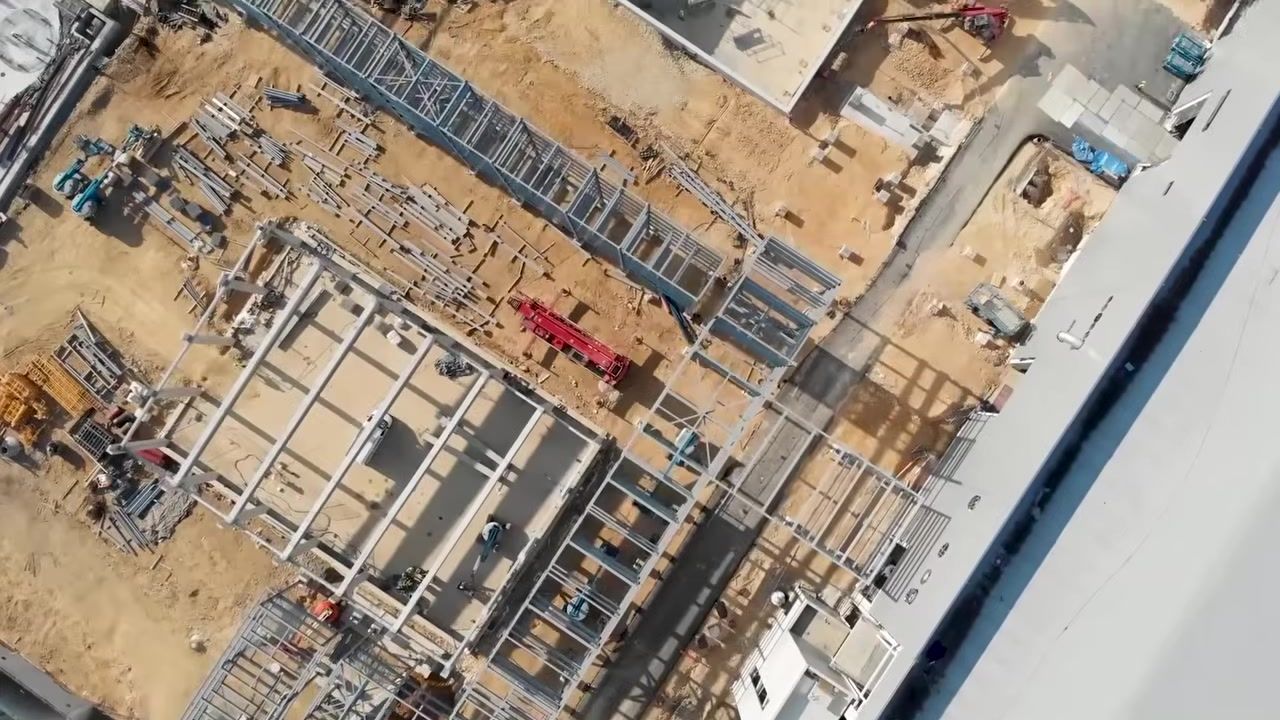
Dallas Fort Worth is growing fast, and that means roads are constantly being widened, extended, or turned into major thoroughfares. A quiet two-lane road today can become a four-lane divided highway in three years, and if your house is on it, your quality of life changes overnight.
I always tell buyers to look at the thoroughfare plan for the city they're considering. Most North Dallas suburbs publish these online. If the road in front of a house is marked for future expansion, you need to know that before you make an offer. Widening projects mean construction noise, detours, and dust for months. Once it's done, you're living on a busy road with faster traffic, more noise, and a front yard that feels a lot closer to the street than it used to.
Resale takes a hit, too. Homes on busy roads sit longer and sell for less. Buyers with young kids often skip them entirely. Even if you don't have children, the constant traffic noise, especially if your primary bedroom faces the street, gets old. Double-pane windows help, but they don't eliminate it.
Then there's the safety piece. Getting in and out of your driveway on a high-speed road is stressful. If there's no traffic light nearby, you're stuck waiting for a gap, and during rush hour, that gap might not come. I've had clients who loved everything about a house except the driveway situation, and that one thing was enough to make them keep looking.
If you're buying new construction on the edge of a growing suburb, pay extra attention to this. Developers often build on roads that are quiet now but are planned to connect to major corridors later. Ask your agent to pull the city's master thoroughfare plan and show you what's coming. It's public information, and it can save you from a decision you'll regret.
Buying Near Future Development
Future development is a double-edged sword in the Dallas suburbs. On one hand, new shopping centers, schools, and amenities can increase your home's value. On the other hand, buying next to a vacant lot or an undeveloped tract means you don't know what's coming, and sometimes what comes is not what you hoped for.
I've seen buyers fall in love with a home that backs to open land, only to find out two years later that a high-density apartment complex or a commercial center is going in. The builder or seller might not have known, or they might not have been required to disclose it. Either way, once construction starts, you're stuck with the noise, the traffic, and the change in your view.
In cities like Frisco, Prosper, McKinney, and Celina, development is happening fast. Empty fields turn into neighborhoods, shopping centers, or industrial parks in what feels like overnight. If you're looking at a home near undeveloped land, ask your agent to check the zoning and any filed development plans. Not everything is public or finalized, but you can at least get a sense of what's allowed on that land.
Some buyers don't mind living near future retail or restaurants. That can actually be a selling point if it's walkable and well-planned. But if you're buying for the quiet, semi-rural feel, and that land is zoned for commercial or multi-family, you need to know that now. Your peaceful backyard might not stay that way.
The other issue is construction timelines. If you're buying in a neighborhood that's still building out, you might be living with construction trucks, dirt, and noise for years. Streets get torn up for utilities, landscaping takes time to mature, and the amenity center might not open for another 18 months. That's fine if you're prepared for it, but it's not what everyone signs up for.
Data Centers and Industrial Facilities
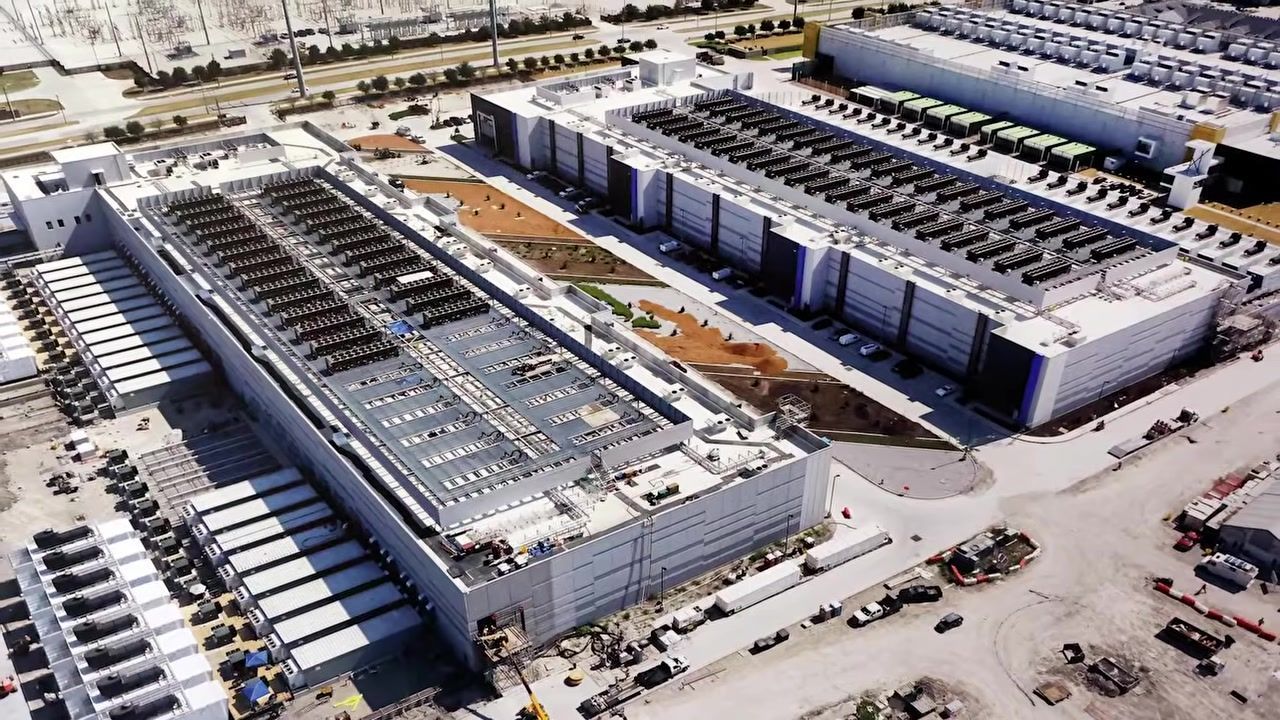
Data centers are popping up all over North Texas, and they're not always obvious when you're touring a neighborhood. They look like big, windowless warehouses, and they're usually set back from residential streets. But they run 24/7, and they generate noise, mostly from the cooling systems and backup generators.
I've had buyers who didn't realize a data center was nearby until after they moved in. The hum is constant, and depending on how close you are and which way the wind blows, it can be loud enough to hear inside your home. Some people tune it out. Others can't stand it. If you're sensitive to noise or you work from home, this is worth checking.
The other issue is resale. Not every buyer knows what a data center is or why it matters, but once they hear the noise or learn what's generating it, some of them walk. It's another one of those things that shrinks your buyer pool when you go to sell.
Industrial facilities, warehouses, distribution centers, logistics hubs, are similar. They bring truck traffic, noise, and sometimes odors depending on what's being stored or processed. North Dallas suburbs are attracting more of these because of the highway access and the available land. If you're looking at a home near a major highway or an industrial park, drive by at different times of day. See what the traffic looks like, listen for noise, and check if there are any odors you didn't notice during your first visit.
I'm not saying these facilities are deal-breakers for everyone. But they do affect your day-to-day life and your resale value, and they're easy to miss if you're only visiting the neighborhood once or twice before you buy.
MUD and PID Districts
MUD and PID districts are all over the Dallas Fort Worth area, especially in newer neighborhoods. MUD stands for Municipal Utility District, and PID stands for Public Improvement District. Both are ways for developers to fund infrastructure, roads, water, sewer, parks, by passing the cost on to homeowners through an additional tax.
If you're coming from out of state, this might be new to you. Your property tax bill will include the county, the city, the school district, and possibly a MUD or PID assessment. That assessment can add hundreds or even over a thousand dollars a year to your tax bill, and it usually lasts for 20 to 30 years.
The tricky part is that MUD and PID taxes aren't always disclosed clearly in the listing. You might see a low property tax estimate, but that estimate doesn't include the MUD or PID. Your lender will catch it before closing, but by then, you might be emotionally committed to the house. I always tell buyers to ask about MUD and PID upfront, especially in new construction or newly developed neighborhoods.
Some buyers are fine with it. They see it as paying for amenities and infrastructure that wouldn't exist otherwise. But if you're comparing two similar homes and one has a MUD or PID and the other doesn't, that's a real cost difference over the life of your ownership. It also affects your resale, because future buyers will factor it into their budget the same way you should.
Not all MUD and PID districts are created equal. Some are well-managed and fund amenities that genuinely add value, pools, trails, parks, landscaping. Others are just covering the basics, and you're paying extra for infrastructure that should have been included in the home price. Ask your agent to pull the MUD or PID details and show you what you're actually paying for.
Changing School Boundaries
School boundaries in the Dallas area shift more often than people realize, especially in fast-growing suburbs. A neighborhood that's zoned to a highly rated elementary school today might get rezoned to a different school in two or three years as new schools open and enrollment balances out.

This matters even if you don't have kids. School ratings and boundaries affect resale value. Buyers pay a premium to be in certain school zones, and if your home gets rezoned to a different school, especially one with lower ratings, your resale value can take a hit.
I've seen this happen in Frisco, Prosper, and McKinney. A new school opens, the district redraws the boundaries, and suddenly homes that were zoned to a popular school are now zoned somewhere else. Parents who bought specifically for that school are frustrated, and when they go to sell, they have to explain the change to buyers who were expecting the original zoning.
School districts don't always give a lot of notice, and they're not required to grandfather in current students in every case. Some districts allow students to finish out at their current school, but others require an immediate transfer. If school zoning is a priority for you, ask the district directly about any planned boundary changes. Don't rely on what the listing says or what the seller tells you. Verify it yourself.
The other thing to watch for is new schools under construction. If a school is being built near the neighborhood you're considering, there's a good chance boundaries will shift once it opens. That could work in your favor if the new school is strong, but it could also mean your kids are changing schools mid-year or you're losing the zoning that made you choose that neighborhood in the first place.
Other Resale and Lifestyle Concerns
Beyond the big six, there are a handful of smaller issues I see buyers overlook that end up mattering more than they expected. These aren't always deal-breakers, but they're worth thinking through before you commit.
Homes at the front of a neighborhood near the entrance get more traffic, both cars and foot traffic. If you're on a corner lot right by the main gate or the amenity center, you'll have people walking by, cars cutting through, and less privacy than you might expect. Some buyers love the convenience of being close to the pool or the park. Others find it intrusive.
Backing to a school or a park sounds great in theory, but it comes with noise. Recess, sports practices, weekend games, and after-school programs mean your backyard is never truly quiet during the school year. If you work from home or you value peace and quiet, that's something to consider. It can also be a selling point for families with kids, so it's not all downside, but it's not the serene backyard retreat some buyers imagine.
Homes on cul-de-sacs or interior streets with no through-traffic tend to hold value better and sell faster than homes on busy neighborhood streets. If you're comparing two similar homes and one is on a cut-through street and the other is tucked into a quiet cul-de-sac, the cul-de-sac will likely win on resale.
Finally, pay attention to how the neighborhood is aging. In older suburbs, you'll see homes that need updating, lawns that aren't maintained, and streets that need repair. That's normal, but if the majority of homes on a street look tired, it's going to be harder to sell yours even if you've renovated. The neighborhood's overall condition matters as much as your individual home's condition.
Which Red Flags Matter Most?
Not every one of these issues will matter to every buyer, and that's fine. The key is knowing which ones matter to you and which ones will matter to future buyers when you sell.
If you're planning to stay in the home for 10 or 15 years, some of these concerns, like MUD taxes or future development, might feel less urgent. You'll have time to enjoy the home and ride out any changes. But if you're buying with a shorter timeline or you're relocating for work and might move again in a few years, resale should be a bigger factor in your decision.
Power lines, busy roads, and noise from data centers or industrial facilities are the hardest to overcome on resale. They're physical realities that don't change, and they limit your buyer pool. If you're okay with that trade-off because the house is otherwise perfect or the price reflects it, that's a fair choice. Just don't expect to make up the difference later.
MUD and PID districts, school boundary changes, and future development are more situational. They can work in your favor or against you depending on how the area evolves. Do your homework, ask questions, and make sure you're comfortable with the uncertainty.
At the end of the day, buying a home in Dallas is about finding the right fit for your lifestyle and your budget. I just want you to have all the information before you sign. The house might be perfect, but if the location or the financial structure doesn't work for you long-term, it's not the right house.
Conclusion
Buying a home in the Dallas Fort Worth area is exciting, and there are so many great neighborhoods to choose from. But the best decision is an informed one. I've seen too many buyers fall in love with a house and overlook the things that end up mattering most, the power lines they didn't notice, the road expansion they didn't know about, the MUD tax that wasn't disclosed, or the school boundary that shifted a year after they moved in.
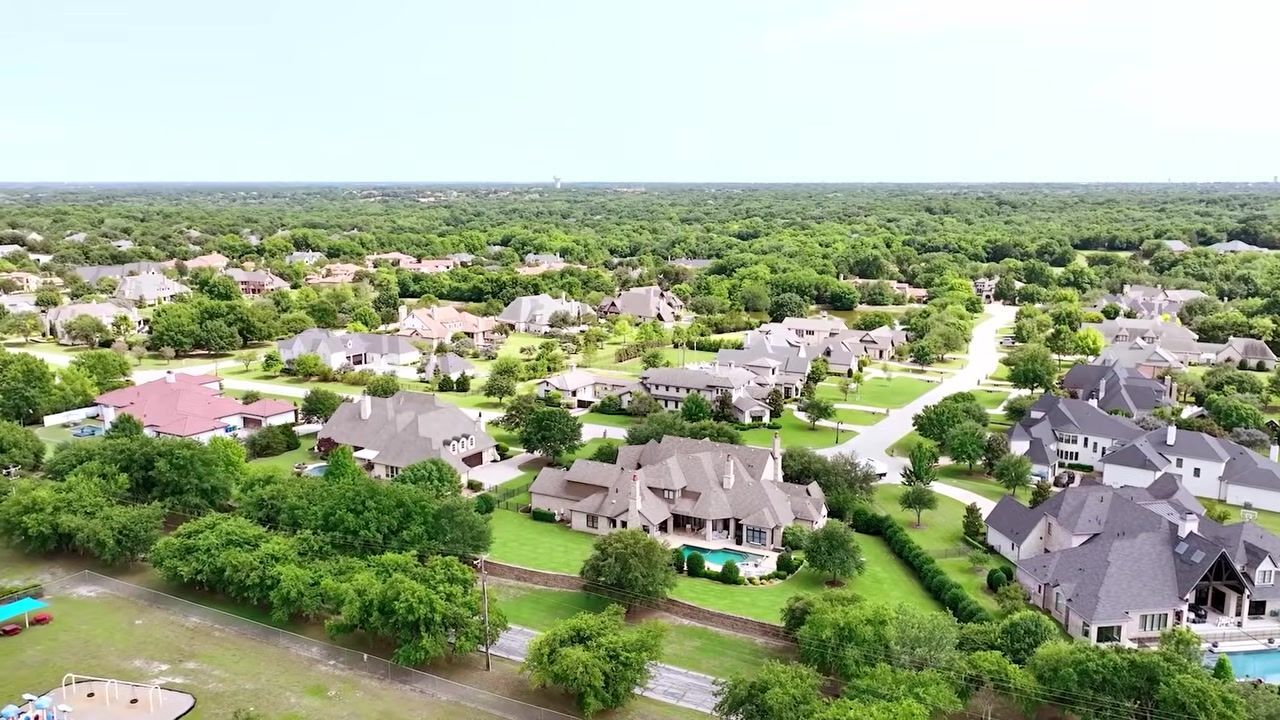
I'm not here to talk you out of anything. I'm here to make sure you know what you're getting into so you can make the choice that's right for you. Whether you're moving to Frisco, Prosper, McKinney, Celina, or anywhere in North Dallas, I want you to love where you live and feel confident in your investment.
If you're thinking about buying or selling in the Dallas area, let's talk. I've lived here my entire life, I know this market inside and out, and I'd love to help you find a home that works for your lifestyle and your goals. Reach out, and let's set up a time to chat about what you're looking for and how I can help.
FAQ: Avoiding Common Home-Buying Pitfalls in Dallas
How do I find out if a home is in a MUD or PID district?
Ask your real estate agent to pull the property's tax information and look for any special assessments or district taxes. You can also check the county appraisal district website or contact the title company during your due diligence period. MUD and PID taxes are public record, but they're not always listed clearly in the MLS.
Will power lines really affect my resale value?
Yes. Homes near high-voltage power lines typically sell for less than comparable homes without that issue, and they tend to sit on the market longer. The easement limits what you can build in your yard, and many buyers are put off by the visual and the noise. If you're okay with that trade-off, make sure the price reflects it.
How can I check if a road near a home is planned for expansion?
Most cities in the Dallas area publish a master thoroughfare plan on their website. Your agent can pull this for you and show you which roads are marked for future widening or expansion. It's worth checking even if the road seems quiet now, especially in fast-growing suburbs.
What should I do if I'm worried about future development near a home I like?
Ask your agent to check the zoning for any undeveloped land near the property. You can also contact the city's planning department to see if any development plans have been filed. Not everything is public or finalized, but you can at least get a sense of what's allowed and what's in the pipeline.
Do school boundary changes happen often in Dallas suburbs?
Yes, especially in growing areas like Frisco, Prosper, and McKinney. As new schools open, districts redraw boundaries to balance enrollment. If school zoning is important to you, verify the current boundaries with the district and ask if any changes are planned. Don't rely solely on what the listing or the seller says.
Are MUD and PID taxes permanent?
MUD and PID assessments typically last 20 to 30 years, though the exact term depends on the district. Once the bonds are paid off, the assessment goes away. In the meantime, it's an additional cost on top of your regular property taxes, and it can add up to hundreds or over a thousand dollars per year.

Helping You Find Your Place in Dallas–Fort Worth
We’re your local real estate team helping buyers, sellers, and relocating clients navigate the Dallas–Fort Worth market. From community comparisons and new construction to luxury homes and investments, we combine firsthand local knowledge with dedicated support to make every move clear and informed.