
Moving to Dallas-Fort Worth: Things to Know Before You Relocate
If you're relocating to the Dallas-Fort Worth area, there's more to consider than affordable homes and no state income tax. From rising property taxes and scorching summers to long commutes and school district boundaries, understanding what life is really like here can help you avoid costly surprises.
DFW spans more than 200 cities and towns, and each offers a different mix of home prices, schools, amenities, and lifestyle. Living in Frisco is a very different experience from living in Fort Worth, McKinney, or Celina.
The good news? DFW still offers a strong job market, diverse communities, relatively affordable housing compared with many coastal cities, and plenty of options for families. The key is finding the right location for your budget, commute, and priorities.
In this guide, we'll cover the biggest challenges of moving to DFW, explore eight popular cities and suburbs, and explain why the area may still be worth the move.
Table of Contents
- Frisco: Master-Planned Living North of Dallas
- Prosper: Outer Suburb Growth and School District Complexity
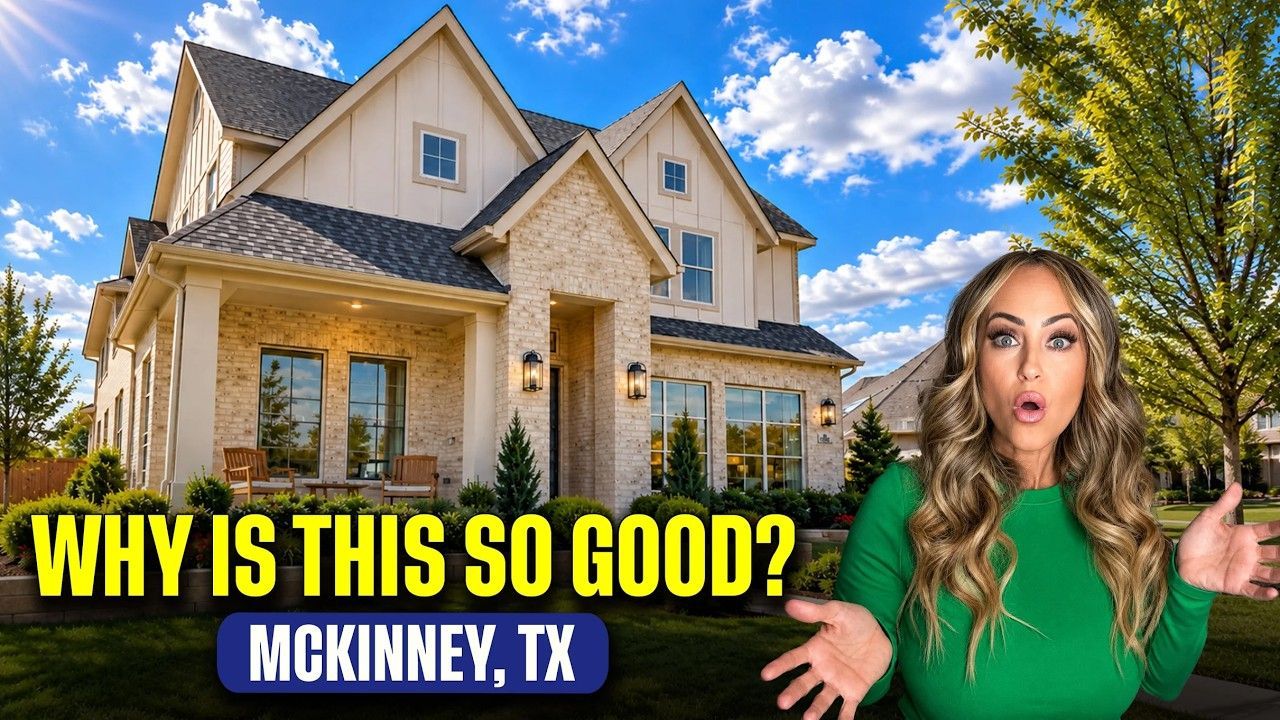
- McKinney: Old Town Charm Meets New Construction
- Celina: The Commute Trade-Off
- Fort Worth: Cowtown Affordability and Western Character
- Southlake: Premium Pricing Between Dallas and Fort Worth
- Plano: Distinct Personality in North Dallas
- Dallas: Corporate Culture and Global Food Scene
- Which Area Is Right for You: Ranking What Matters Most
- Why It's Still Worth It: 10 Reasons to Make the Move
- Conclusion
Frisco: Master-Planned Living North of Dallas
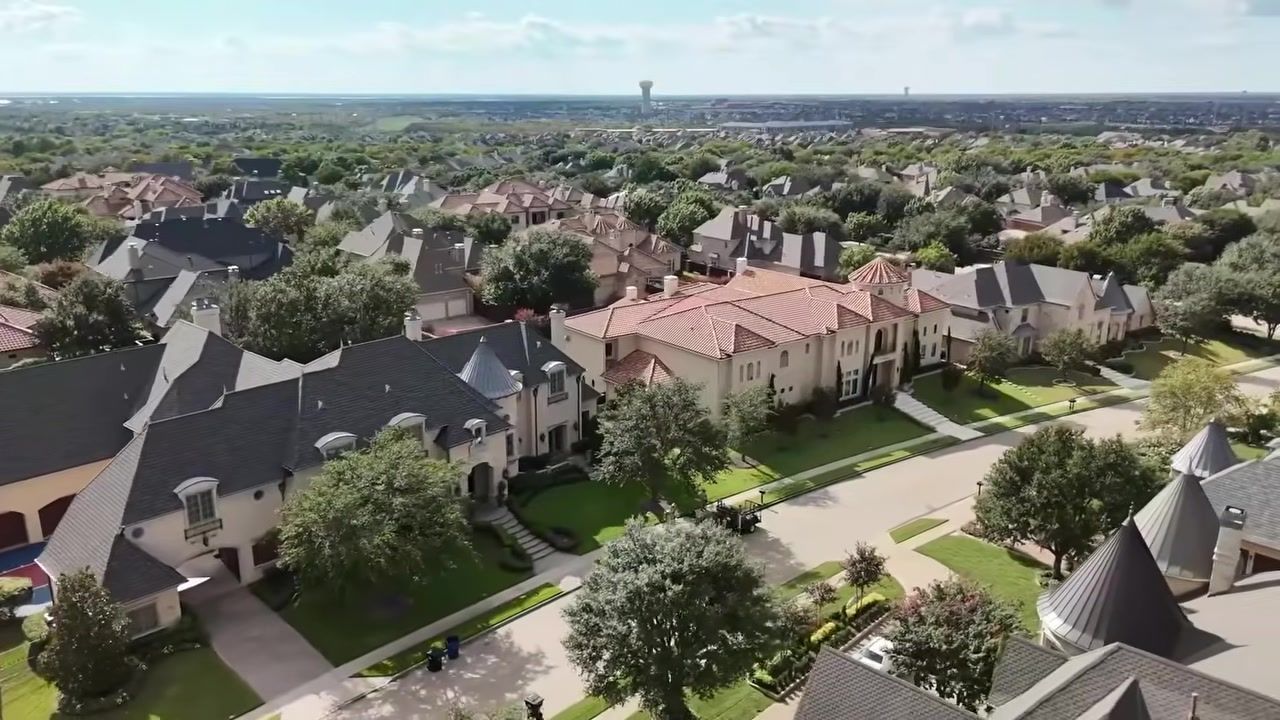
Frisco is one of the most popular relocation destinations in the entire Metroplex, and for good reason. It's got 30 miles of interconnected walking trails, resort-style pools, and brand new schools built to serve exactly the families moving in. These master-planned communities deliver a turnkey, amenity-rich lifestyle that a lot of markets simply don't build anymore. If you're looking for that polished, low-maintenance suburban feel, Frisco executes it as well as anywhere in the country.
But here's what you need to know upfront: prices are regularly running north of $600,000 for a solid single-family home. That's not a starter-home market anymore. It's a market for buyers who want the full package and are willing to pay for it. The good news is that Frisco has a lower property tax rate than some other DFW suburbs, typically coming in under that 2% combined rate. On a $700,000 home, you're still looking at $11,000 to $14,000 annually after homestead exemptions, but that's on the better end of the North Dallas tax spectrum.
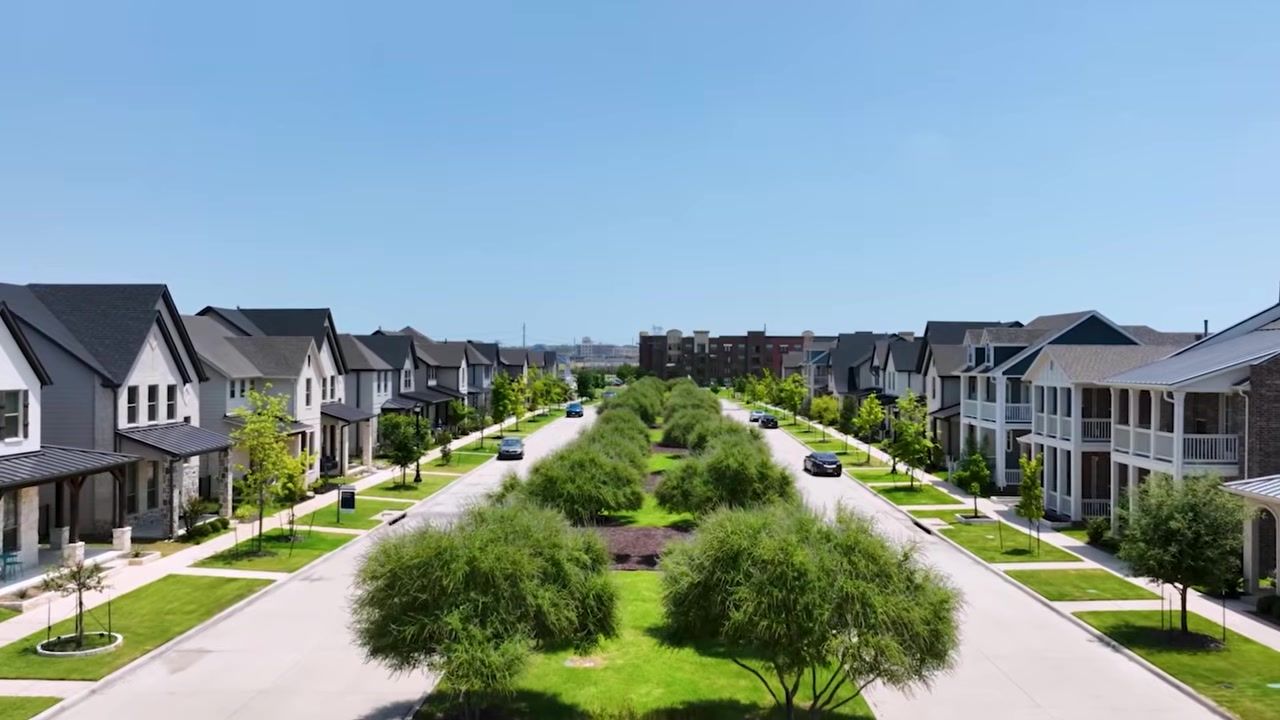
The trade-off is that Frisco is part of the outer suburbs, which means you're driving everywhere. If your job is in Legacy West or along the Dallas North Tollway corridor, you're in great shape. If you're commuting to downtown Dallas, that's 45+ minutes each way during commute hours, and there's no shortcut. Almost every one of these master-planned communities comes bundled with a mandatory HOA and a level of visual uniformity, same color palettes, similar floor plans, rules on everything from your mailbox to your fence. Some people love that consistency. Others find it sterile. Go in knowing which side of that trade-off you're on.
The school districts here are strong, and that's a big part of why families choose Frisco. But remember, school district lines don't follow city limits. Make sure you verify the ISD boundary for any home you're considering, not just the mailing address. If schools and commute are your top two priorities, Frisco is going to be on your shortlist. If you're looking for established character or mature trees, you're going to want to look elsewhere.
Prosper: Outer Suburb Growth and School District Complexity
Prosper has seen prices climb substantially over the last several years, and it's become one of the go-to suburbs for families relocating to North Dallas. It's got that same master-planned community appeal as Frisco, with new construction neighborhoods going up constantly. If you're working on the Dallas side of the Metroplex and you want a newer home with modern amenities, Prosper is going to be on your radar.
But here's the thing nobody tells you until you're already under contract: school district lines in Prosper don't follow city limits. You can have a Prosper mailing address and be zoned into a completely different ISD than the one you thought you were buying into. I've had clients fall in love with a home, assume they're in one district based on the address, and then find out at closing that the boundary line runs right through the neighborhood. That's not a Prosper-specific problem, it happens all over North Texas, but it's especially common here because the city has grown so fast that the school districts haven't kept pace with the municipal boundaries.
The commute math is the same as Frisco. You're easily 45 minutes to downtown Dallas with decent traffic, more at rush hour. If you're commuting to the Fort Worth side, you're looking at well over an hour. This is an outer suburb, which means you're driving everywhere every day. There's no DART line, no shortcut, no fix. Budget for gas, tolls, and time behind the wheel the same way you'd budget for a car payment.
The upside is that Prosper still delivers on that new construction lifestyle. You've got resort-style pools, walking trails, brand new schools, and a genuine amenity package that a lot of older markets simply don't offer. If turnkey and low-maintenance are what your family wants, Prosper is built for that. Just make sure you verify the school district boundary before you fall in love with the listing photo.
McKinney: Old Town Charm Meets New Construction
McKinney is one of the few North Dallas suburbs where you can actually choose between shiny new construction and established character, and that's a rare thing in this market. Old Town McKinney has genuine history and charm, mature trees, walkable streets, local shops and restaurants, a town square that feels like it's been there forever. If you want more of a lived-in feel and you're tired of the visual uniformity of master-planned communities, Old Town McKinney is going to feel like a breath of fresh air.
But McKinney also has plenty of new construction master-planned communities on the edges, so you're not locked into one or the other. You can find a brand new home with all the modern amenities if that's what you want, or you can find an older home with character and mature landscaping if that's more your speed. Neither choice is wrong, but go in knowing which trade-off you're actually making, because shiny and new and established and full of character are very rarely the same house.
The school district complexity is the same as Prosper and Celina. School district lines don't follow city limits, so you need to verify the ISD boundary for any home you're considering. A McKinney mailing address doesn't guarantee you're in McKinney ISD. That's just the reality of how Texas school districts work, and it trips up relocating families constantly.
The commute is the same outer suburb math. You're 45+ minutes to downtown Dallas, and you're driving everywhere. If your job is on the Dallas side of the Metroplex and you're working in Legacy West, Frisco, or along the Dallas North Tollway corridor, McKinney works. If you're commuting to Fort Worth, you're looking at well over an hour each way. Where you live relative to where you work is one of the four biggest levers in the whole decision-making, and I'd rather you find that out before you're under contract than after you've already moved in.
Celina: The Commute Trade-Off
Celina is one of the fastest-growing outer suburbs in North Dallas, and it's attracting a lot of buyers who want new construction and are willing to trade commute time for more house. If you're working on the Dallas side of the Metroplex and you're okay with a longer drive, Celina can get you more square footage and more land for your budget than you'd find closer in.
But let's be honest about the commute. You're easily 45 minutes to downtown Dallas with decent traffic, and that's on a good day. At rush hour, you're looking at more. If you're commuting to the Fort Worth side, you're looking at well over an hour each way, and there's no toll road shortcut to fix it. This is the trade-off you're making: more house, longer drive. Some families are fine with that. Others regret it six months in when they're spending two hours a day behind the wheel.
The school district complexity is the same as Prosper and McKinney. School district lines don't follow city limits, so you need to verify the ISD boundary for any home you're considering. A Celina mailing address doesn't guarantee you're in Celina ISD. I've had clients assume they're buying into one district based on the address, and then find out at closing that the boundary line runs right through the neighborhood. That's not a Celina-specific problem, but it's especially common in these fast-growing outer suburbs where the school districts haven't kept pace with the municipal boundaries.
If you're okay with the commute and you want new construction with modern amenities, Celina is going to be on your shortlist. If you're not okay with spending 45+ minutes each way every day, you need to look closer in. Where you live relative to where you work is one of the four biggest levers in the whole decision-making, and this is the one that trips up relocating families most often.
Fort Worth: Cowtown Affordability and Western Character
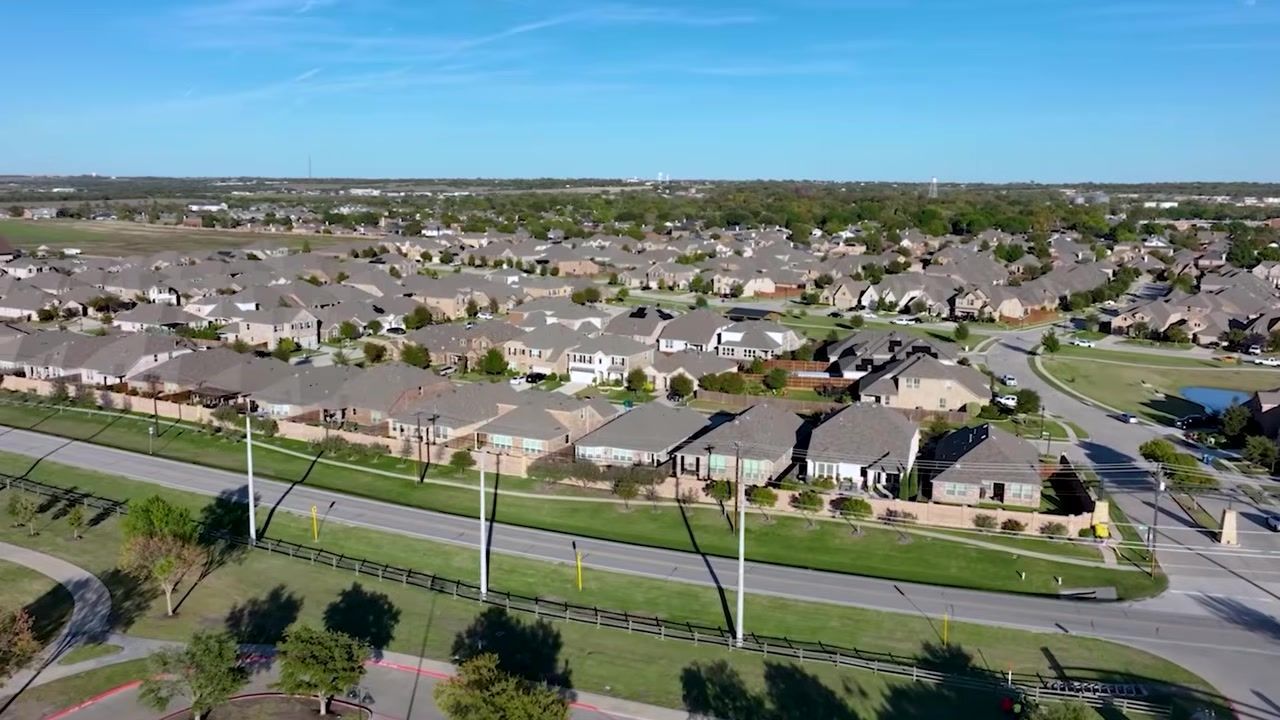
Fort Worth is literally Cowtown, and I mean that in the best way possible. It has real Western character, the stockyards, a genuine downtown, Sundance Square, and a culture that feels distinct in a way you notice the minute you get there. They literally still have a cattle drive through the stockyards every day, and that would never happen in Dallas. If you want a city with personality and a lived-in feel, Fort Worth delivers that in a way that the more corporate Dallas side simply doesn't.
The median home price in Fort Worth is around $340,000, which makes it genuinely one of the more affordable options in the Metroplex. That's a real number, and it's a meaningful gap compared to Frisco, Southlake, or Prosper. If budget is one of your top two priorities, Fort Worth is going to be on your shortlist. You can still find $300,000 to $400,000 homes here, and that's increasingly rare in the DFW market.
But here's the trade-off nobody tells you until you've already moved in. If your job is on the Dallas side of the Metroplex, you're looking at 55 minutes to well over an hour during peak traffic times. And there's no toll road in between Fort Worth and Dallas, so there's no shortcut, there's no fix. If your employer is American Airlines, BNSF, Lockheed Martin, or the Naval Air Station, you're better served living on the Fort Worth side. If you're working in Legacy West, Frisco, or along the Dallas North Tollway corridor, you want to be anchored north, closer to where you work. Picking the wrong half of DFW for your job is one of the most common regrets I see, and it's completely avoidable if you map it out before you buy.
The other trade-off is homeowners insurance. Fort Worth and the areas that see more hail activity have seen premiums roughly triple over the last five years. You've got wind and hail deductibles separate from your regular deductible, and it's not unusual to see a 1% or 2% home value deductible as standard. That's not an upsell. That's just the reality of living in an area with more storm frequency. I've had clients genuinely shocked that a hailstorm can total a roof or a car in less than 15 minutes. Does it always destroy things? Absolutely not. But I want y'all to know the ability of a storm for the just-in-case scenario.
The upside is that Fort Worth has genuine character. The TCU and Westcliff area offer established neighborhoods with mature trees and a lived-in feel that a subdivision built five years ago simply hasn't had time to develop. You've got world-class museums, the Kimbell, the Modern, and a food scene that's distinct from Dallas. If you're on the Fort Worth side, there's even more exposure to agricultural pollen because of the open land and the agricultural edges out there in that direction, so if you're prone to allergies, that's something to factor in. But if you want a city with personality, affordability, and a genuine downtown, Fort Worth is hard to beat.
Southlake: Premium Pricing Between Dallas and Fort Worth
Southlake sits right between Dallas and Fort Worth, and it's one of the most expensive suburbs in the entire Metroplex. Prices are well over a million dollars for many pockets, and that's not an exaggeration. If you're looking at Southlake, you're looking at a premium price point, and you need to go in knowing that upfront.
The appeal is obvious. Southlake has a reputation for local schools, a polished suburban feel, and a location that's more central than the far North Dallas suburbs. If you're working on the Dallas side or the Fort Worth side, Southlake splits the difference in a way that Frisco or Prosper simply can't. But that convenience comes at a cost, and that cost is reflected in the price per square foot.
Prices in Southlake have climbed substantially over the last several years, just like Frisco and Prosper, but the baseline here is higher to begin with. If budget is one of your top two priorities, Southlake is probably not going to make your shortlist. If schools and location are your top two, and you've got the budget to support it, Southlake is going to be on your radar.
The same property tax math applies here as everywhere else in North Texas. You're looking at a combined rate somewhere between 2% and 2.7%, and on a million-dollar home, that's a real number. After homestead exemptions, you're still looking at $15,000 to $20,000+ annually. That needs to be in your budget from day one, not a surprise you discover when the bill shows up in October.
Plano: Distinct Personality in North Dallas
Plano is one of those suburbs that people lump in with Frisco and McKinney and Prosper, but it's got its own personality and its own school district, and that matters more than people realize. Plano is distinct from its neighbors despite the proximity, and if you're relocating to North Dallas, you need to understand that every suburb has its own feel.
Plano has both older established neighborhoods and newer construction, so you've got options depending on what you're looking for. If you want mature trees and a lived-in feel, Plano has pockets that deliver that. If you want new construction with modern amenities, Plano has that too. It's one of the few North Dallas suburbs where you can actually choose between the two without having to pick a completely different city.
The commute math is the same as Frisco and McKinney. You're 45+ minutes to downtown Dallas, and you're driving everywhere. If your job is in Legacy West or along the Dallas North Tollway corridor, Plano works. If you're commuting to Fort Worth, you're looking at well over an hour each way. Where you live relative to where you work is one of the four biggest levers in the whole decision-making, and this is the one that trips up relocating families most often.
The school district complexity is the same as everywhere else in North Texas. School district lines don't follow city limits, so you need to verify the ISD boundary for any home you're considering. A Plano mailing address doesn't guarantee you're in Plano ISD. That's just the reality of how Texas school districts work, and it trips up relocating families constantly.
Dallas: Corporate Culture and Global Food Scene
Dallas proper is more corporate, more polished, more of a buttoned-up big city feel than Fort Worth. You've got Legacy West, the Platinum Corridor, downtown's high-rises, and a culture that feels distinct from the Western character of Fort Worth. If you want a big city feel and you're coming from a major metro, Dallas is going to feel more familiar than the outer suburbs.
The DART does exist, and it serves downtown Dallas and some of the inner suburbs reasonably well if you live and work along those lines. But if you're anywhere in the outer suburbs like Frisco, Prosper, Celina, McKinney, you're driving everywhere every day. The DART is not a fix for the commute if you're living in the far North Dallas suburbs.
Dallas is one of the most diverse cities in the country. More than 40% of residents speak a language other than English at home, and that shows up everywhere. The food scene is exceptional and genuinely global. You could eat somewhere different every night for a year and still not be out of options. Museums like the Dallas Museum of Art are legitimately world-class. This isn't a place where you're stuck choosing between three restaurants. It's a place where you've got options, and that diversity is a real part of the lived experience here.
The M Streets neighborhood offers established character with mature trees and a walkable feel that a lot of the newer suburbs simply don't have. If you want more of a lived-in feel and you're tired of the visual uniformity of master-planned communities, the M Streets is going to feel like a breath of fresh air. But you're paying for that location and that character, and prices reflect it.
If your job is in Legacy West, Frisco, or along the Dallas North Tollway corridor, you want to be anchored on the Dallas side. If your employer is American Airlines, BNSF, Lockheed Martin, or the Naval Air Station, you're better served living on the Fort Worth side. Picking the wrong half of DFW for your job is one of the most common regrets I see, and it's completely avoidable if you map it out before you buy.
Which Area Is Right for You: Ranking What Matters Most
The single biggest mistake I watch relocating families make is choosing a suburb off the best place to live list without ever stepping foot in it, or picking based on one factor, usually school ratings, without weighing it against the commute, the budget, and the lifestyle altogether. I have every one of my relocation clients rank four things before we ever tour a single home: schools, commute, budget, and lifestyle. Whichever two matter most to your family should drive the search.
If schools and commute are your top two, that eliminates half the map immediately. You're looking at the North Dallas suburbs, Frisco, Prosper, McKinney, Plano, and you're accepting that you're going to be 45+ minutes from downtown Dallas. If budget and lifestyle are what matter most, that points somewhere completely different. Fort Worth becomes a real option because the median home price is around $340,000, and you're getting genuine character and a lived-in feel that the newer suburbs simply don't have.
If you want new construction with resort-style pools and 30 miles of interconnected walking trails, Frisco is built for that. If you want established character with mature trees and a walkable town square, Old Town McKinney or the M Streets in Dallas or the TCU and Westcliff area in Fort Worth deliver that. If you want affordability and Western character, Fort Worth is hard to beat. If you want premium pricing and a location that splits the difference between Dallas and Fort Worth, Southlake is on your shortlist.
Here's the honest framing I want to give you guys:
- Choose Frisco if schools and amenities are your top two priorities, and you're okay with the commute to downtown Dallas and the premium pricing.
- Choose Prosper if you want new construction on the Dallas side and you're okay with the school district complexity and the outer suburb commute.
- Choose McKinney if you want the option between new construction and established character, and you're okay with the same outer suburb commute math.
- Choose Celina if you want more house for your budget and you're okay with a 45+ minute commute each way.
- Choose Fort Worth if budget and character are your top two priorities, and your job is on the Fort Worth side of the Metroplex.
- Choose Southlake if you've got the budget for premium pricing and you want a location that splits the difference between Dallas and Fort Worth.
- Choose Plano if you want options between new construction and established neighborhoods, and you're okay with the same North Dallas commute math.
- Choose Dallas proper if you want a big city feel, a global food scene, and you're working in Legacy West or along the Dallas North Tollway corridor.
Do that ranking honestly before you fall in love with a listing photo, and the rest of the process gets dramatically clearer.
Why It's Still Worth It: 10 Reasons to Make the Move
Despite the challenges, Dallas-Fort Worth offers plenty of reasons to call it home. From career opportunities to family-friendly communities, here are 10 benefits that make the move worthwhile.
1. A Welcoming Community
Texans are known for their friendliness, and many newcomers find it easier to build connections through welcoming neighbors, local events, and a relaxed, community-oriented culture.
2. No State Income Tax
Texas has no state income tax, which can mean significant savings for households moving from higher-tax states. Although property taxes are higher, your overall tax savings will depend on your income, home value, and individual circumstances.
3. Mild Winters and Plenty of Sunshine
While summers can be intense, DFW offers relatively mild winters, plenty of sunny days, and opportunities to enjoy outdoor activities throughout much of the year.
4. A Strong Job Market
DFW has a diverse economy spanning finance, healthcare, technology, aviation, and logistics. Major employers include AT&T, American Airlines, Texas Instruments, and Toyota's North American headquarters, giving job seekers opportunities across multiple industries.
5. Diverse Culture and Excellent Food
Dallas-Fort Worth offers a rich mix of cultures, international cuisines, arts, and entertainment. From the Dallas Museum of Art to Fort Worth's Kimbell Art Museum and Modern Art Museum, there's plenty to explore beyond the workplace.
6. Housing Options Compared With Coastal Cities
Although home prices have risen, DFW can still offer more space for your money than many markets in coastal California, Seattle, Washington, D.C., and the Northeast. Buyers can explore a range of homes and communities based on their budgets and priorities.
7. Convenient Air Travel
Dallas Fort Worth International Airport is a major travel hub, making it easier to reach domestic and international destinations for work, vacations, or visits with family.
8. Sports and Entertainment for Everyone
From Cowboys games and Friday-night high school football to the State Fair of Texas, DFW offers plenty of opportunities to enjoy local traditions, sporting events, festivals, and entertainment.
9. Family-Friendly Master-Planned Communities
Many newer communities feature resort-style pools, walking trails, modern homes, and nearby schools. For families seeking amenities and a convenient suburban lifestyle, areas such as Frisco offer plenty to consider.
10. Room to Grow and Put Down Roots
DFW continues to attract residents and businesses, bringing new neighborhoods, schools, and job centers to the region. For buyers planning to stay long term, the area's ongoing development offers opportunities to find a community that fits their changing needs.
Ultimately, moving to DFW comes with trade-offs, but the combination of career opportunities, diverse communities, housing choices, and lifestyle amenities continues to make the region attractive to relocating families.
Conclusion
That's the real list, all 10 hard truths and all 10 reasons it's actually worth it anyway. If you take one thing from this video, let it be this: don't pick a suburb off of a list. Rank what actually matters to your family, school, commute, budget, lifestyle. And let that decide it, not a photo on Instagram.
If you're relocating to the Dallas-Fort Worth area and you want somebody who's going to give it to you straight, walk you through the real numbers, the neighborhoods, the schools, that's exactly what we do every single day. We are grateful for every family that trusts us with a move this big, and we'd love to help you make yours. Call or text me at 214-903-4794 or book a FREE consultation here. We pride ourselves on helping people get into the homes of their budget, and we'd love to walk you through what that looks like for your family.
FAQ
What are property taxes like in the Dallas-Fort Worth area?
Combined property taxes in North Dallas typically run between 2% and 2.7% of your home's value, depending on the city, school district, county, and any MUD or PID. On a $700,000 home, that's $14,000 to over $18,000 a year before homestead exemptions, and most clients land somewhere between $11,000 and $14,000 annually after the exemption. You can protest your taxes every year, and I help all of my clients with that process.
Do school district lines follow city limits in Texas?
No, and this trips up relocating families constantly. You can have a Prosper mailing address and be zoned into a completely different ISD. The mailing address lies to you. The ISD boundary is the truth. Always verify the school district boundary for any home you're considering, not just the address.
How bad is the commute from the outer suburbs to downtown Dallas?
If you're living in Celina, Prosper, or Frisco and commuting to downtown Dallas, you're looking at easily 45 minutes each way with decent traffic, more at rush hour. If you're commuting between Fort Worth and the Dallas side of the Metroplex, you're looking at 55 minutes to well over an hour during peak traffic times, and there's no toll road shortcut between the two cities.
Is homeowners insurance really that expensive in North Texas?
Homeowners insurance has roughly tripled over the last five years for some homeowners, especially closer to Fort Worth and the areas that see more hail activity. You've got wind and hail deductibles separate from your regular deductible, typically 1% or 2% of your home's value. Shop your insurance every year instead of letting it auto-renew because rates vary more between carriers here than anywhere else I've seen.
What's the difference between Dallas and Fort Worth?
Dallas is more corporate, more polished, more of a buttoned-up big city feel. Fort Worth is literally Cowtown with real Western character, the stockyards, a genuine downtown, Sundance Square, and a culture that feels distinct. Which half of the Metroplex your household is anchored to changes your whole day-to-day life, your commute, your school options, even your weekend routines. Picking the wrong half for your job is one of the most common regrets I see.
Are there any affordable options left in the Dallas-Fort Worth area?
Fort Worth is genuinely one of the more affordable options in the Metroplex with a median home price around $340,000. You can still find $300,000 to $400,000 homes there, and that's increasingly rare in the DFW market. Even with prices climbing, DFW homes remain a fraction of what comparable homes cost in Seattle, DC, coastal California, and most of the Northeast corridor.

Helping You Find Your Place in Dallas–Fort Worth
We’re your local real estate team helping buyers, sellers, and relocating clients navigate the Dallas–Fort Worth market. From community comparisons and new construction to luxury homes and investments, we combine firsthand local knowledge with dedicated support to make every move clear and informed.